

Explore the full range of titles - discover sports stars, scientists, artists and much more...
Explore the full range of titles
ShopArticles
Inspiring Women for Kids: Ten Women Who Changed the World
Posted on November 2, 2026
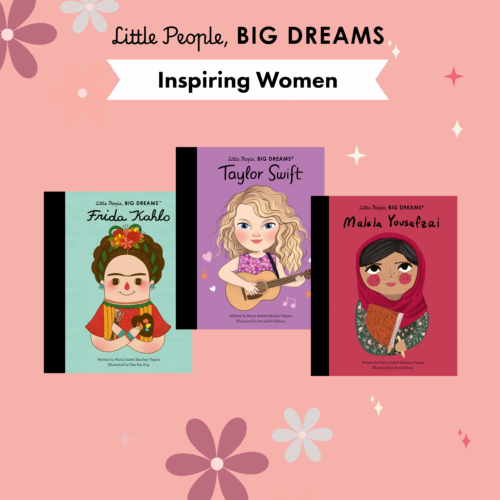
Role models provide children and young people with someone to look up to; to demonstrate good behaviours, and to showcase both short-term and long-term goals. The ten women we’ve chosen come from different parts of history, and all walks of life – from activism to fashion, and from music to art, writing and science. You’ll discover how Taylor Swift became one of the world’s biggest pop stars, and how a life-changing accident inspired Frida Kahlo to become an artist. Coco Chanel revolutionised the clothes that women wore, while Rosa Parks changed the course of history with one simple word. And you’ll be surprised by which woman from history discovered the technology that made her, ‘the mother of WiFi’.
Learning about inspiring people is vital for children. It shows them all the possibilities the world has to offer both in terms of a career, and with regard to their place in the world, social responsibility, community and values. These women have been trailblazers and influential not just in terms of what they’ve done, but also in the ways that they’ve lived – and are living – their lives.
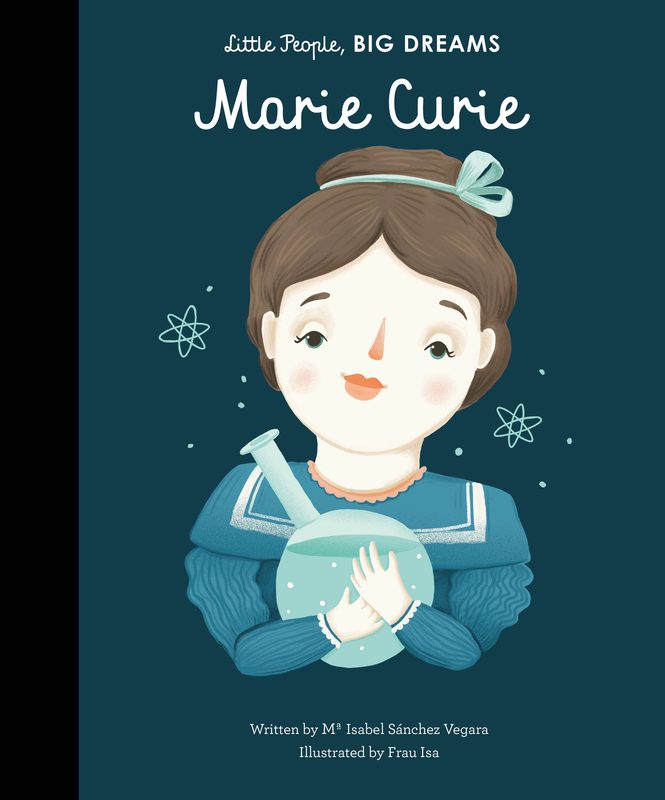
Marie Curie
Marie Curie (1867-1934) was a brilliant Polish and French physicist and chemist, most famous for her groundbreaking work on radioactivity, discovering the radioisotopes radium and polonium. She was a woman who claimed numerous firsts during her life: the first woman to win a Nobel Prize, the first to win the prize twice, and the first woman to become a professor at the University of Paris.
Marie and her husband Pierre investigated radioactivity, building on the work of German physicist Roentgen and French physicist Becquerel. In July 1898, the Curies announced the discovery of a new chemical element, polonium. At the end of the year, they announced the discovery of another, radium. The Curies, along with Becquerel, were awarded the Nobel Prize for Physics in 1903; Marie thus became the first woman to be awarded the Nobel Prize for Physics, and the Curies were the first married couple to win the prize.
In 1911, Marie Curie received the Nobel Prize in Chemistry for the discovery of radium and polonium, the isolation of radium, and the study of the nature and compounds of radium. Not only was she the first person to receive two Nobel Prizes, but she also received them in two different fields of science.
During World War I, Marie realised X-rays could save soldiers’ lives by helping doctors to see bullets, shrapnel and broken bones, so she set up France’s first military radiology centres and was named Director of the Red Cross Radiology Service. She knew that if X-rays were available at the Front where soldiers were being injured, it would improve their chances of survival.
Frustrated by delays in securing funding from the French military, Curie approached the Union of Women of France. This philanthropic organisation gave her the money to produce the first car, which played an important role in treating the wounded at the Battle of Marne in 1914 – a major Allied victory that kept the Germans from entering Paris.
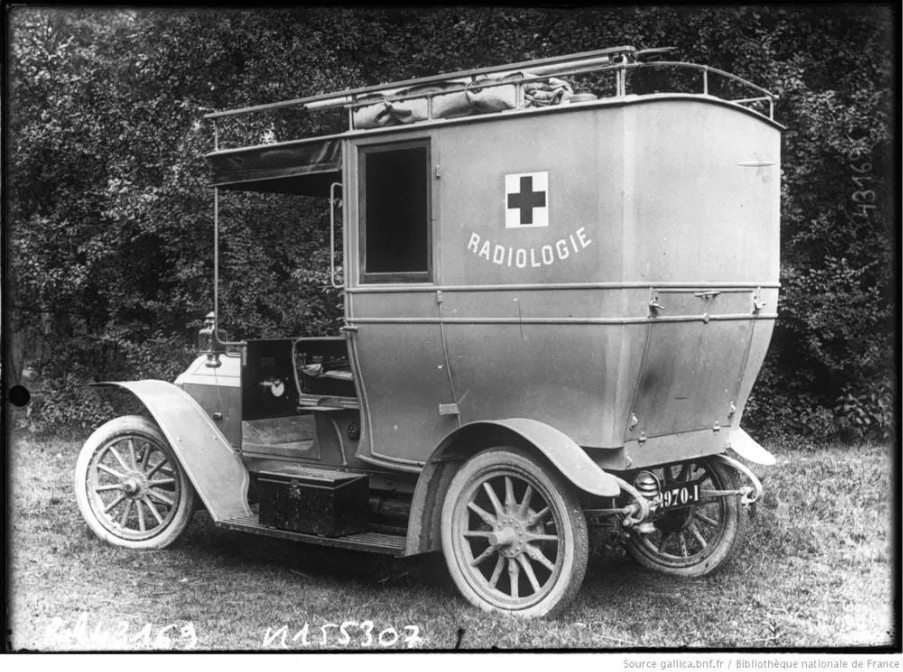
One of Curie’s mobile units used by the French Army - Bibliothèque Nationale de France, département Estampes et photographie
Curie eventually fitted 20 standard Renault cars with an X-ray machine, a photographic darkroom for processing plates, and a dynamo (generator) powered by the car’s engine to supply electricity, dubbed ‘petite Curies’. Intending to operate the petite Curie herself if necessary, Curie learned how to drive a car and researched basic anatomy, the use of X-ray equipment, and auto mechanics. She then went on to train 150 other female volunteers to operate the vans.
What Can Children Learn From Marie Curie?
From studying at the ‘Flying University’ to setting up the Institut du Radium and Fondation Curie, Marie Curie demonstrated to a whole generation of women that access to academia and leadership roles is possible.
At the famous 1927 Solvay Conference on Quantum Mechanics, Curie was the only woman invited, among 29 of the world’s most prominent physicists.
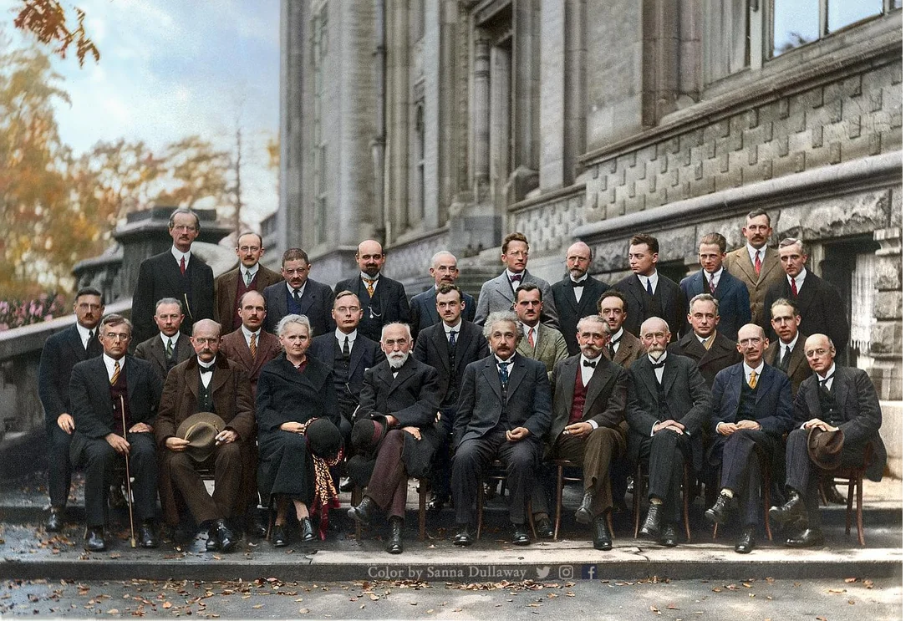
The 1927 Solvay Conference – dubbed ‘the most intelligent photo ever taken’
The Institut Curie continues this fight for gender equality in the academic world today.
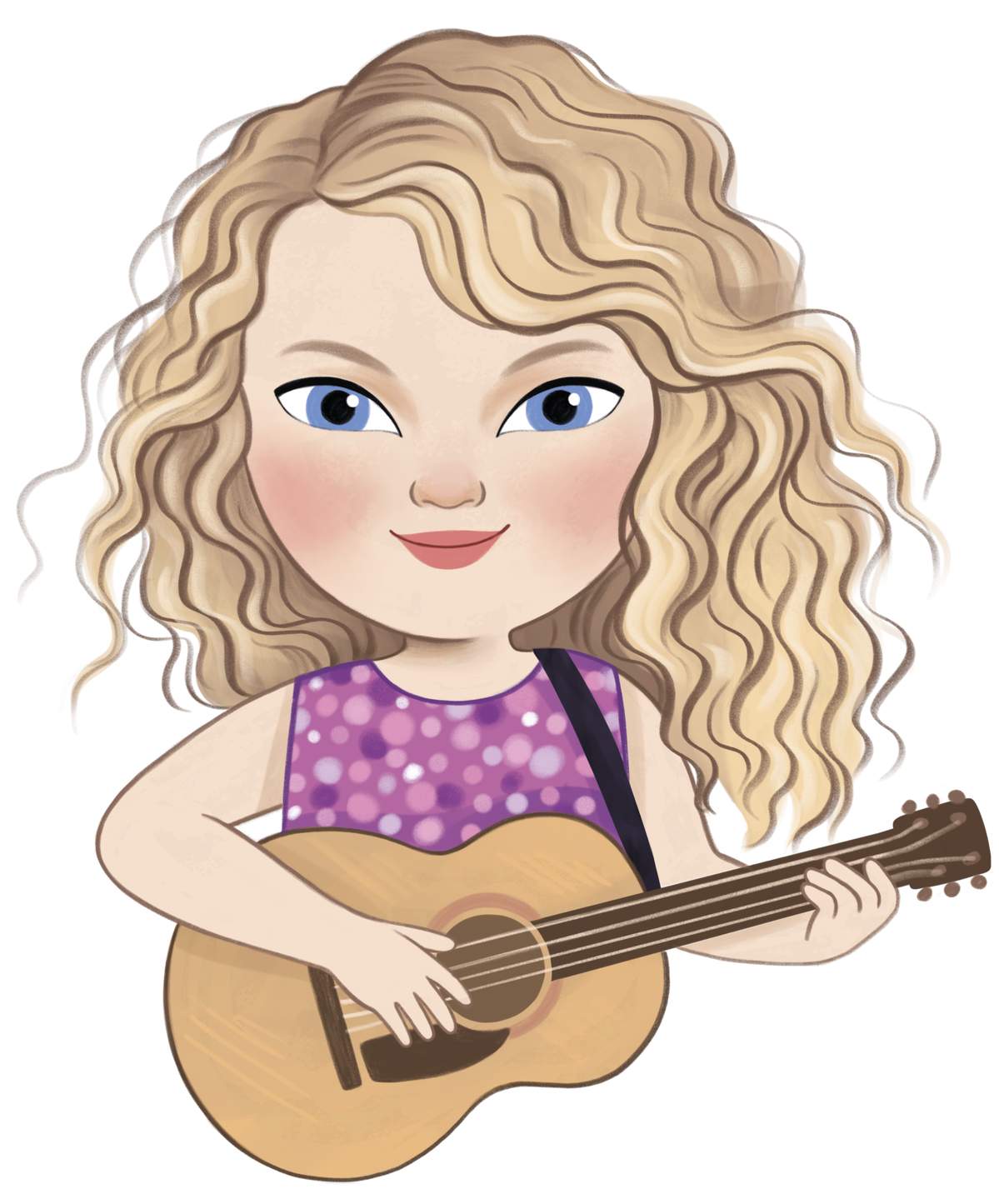
Taylor Swift
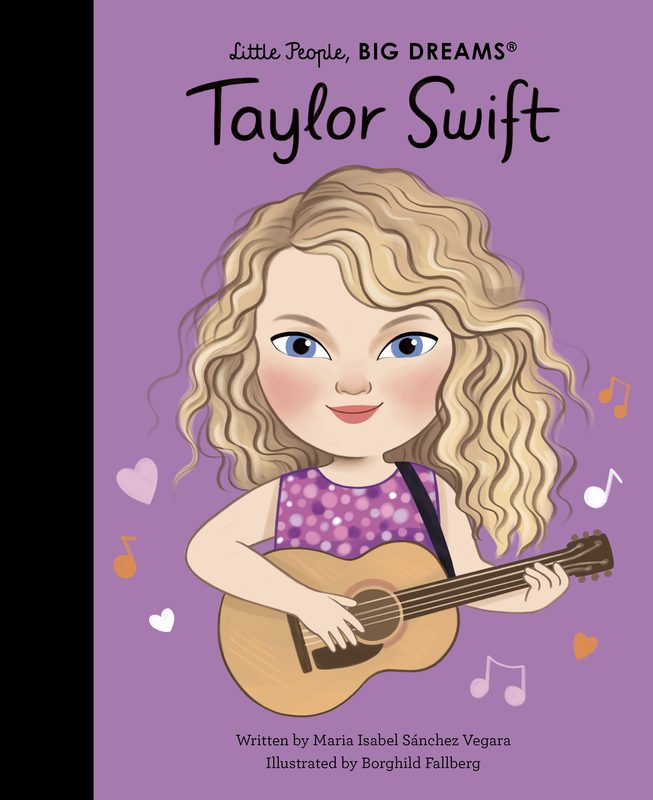
Taylor Swift is an American singer-songwriter, music icon, global star, the world’s highest-grossing live star thanks to her astonishing Eras tour, and one of the best-selling music artists of all time.
Her music – ranging from country to rock to synth ballads and alternative pop – has made her one of the 21st Century’s most significant, high-achieving artists. And she’s become an inspirational byword for talent, success and hard work over the course of a career that started when she was just fourteen years old.
Taylor discusses her songwriting inspirations.
In 2010, aged twenty, she became the youngest artist in history to win Album of the Year at The Grammy Awards with her breakout album, Fearless. In a landmark night, she also picked up awards for Best Country Album and Best Female Country Vocal performance, plus Best Country Song for “White Horse”.
What Can Children Learn From Taylor Swift?
Be generous and kind: Taylor is a prolific donor – with an estimated $100 million given to charitable causes, food banks, disaster relief funds and even individual fans throughout her career.
In 2011, she donated $70,000 worth of books to her hometown library; she pledged $1 million to Louisiana flood relief in 2016 after floods damaged over 40,000 homes in the state where her 1989 World Tour began, and $5 million to hurricane relief in 2024.
The generous star also donated around $30,000 to a GoFundMe college fund campaign started by European Swiftie Vitoria Mario, an aspiring mathematician. “Vitoria, I came across your story online and am so inspired by your drive and dedication to turning your dreams into reality,” Taylor commented in her contribution.
Taylor also gives her time, visiting fans in hospital, and even making surprise appearances at Swifties’ weddings, bridal showers and engagement parties.
Discover more about Taylor Swift’s inspirational life and career, and read her Little People BIG DREAMS book.
Coco Chanel
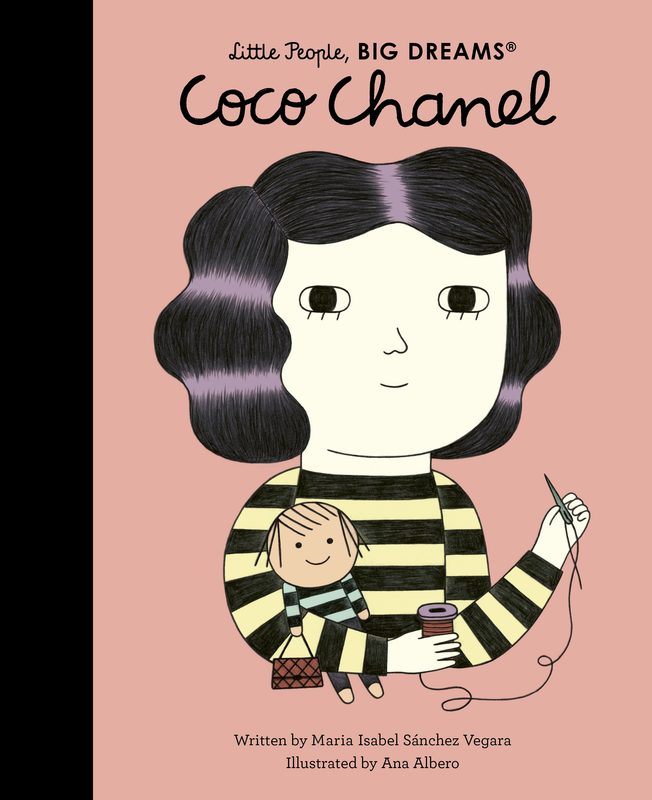
French fashion designer Coco Chanel (1883-1971) was one of the world’s most influential, stylish and successful businesswomen. She was a true fashion icon, at the top of her game for more than 60 years, and the Chanel logo – which she designed herself – of two interlocking Cs, remains one of the industry’s most recognisable and covetable style symbols.
Born Gabrielle Bonheur Chanel, when he was eleven, her father placed her in an orphanage after her mother died, where the nuns taught her to sew. Following a spell as a salesgirl, Coco (a nickname she picked up when she worked for a time as a café and cabaret singer) opened a millinery shop in Deauville.
In the early 1900s, the fashion for women was to wear tight, heavy and restrictive corsets and voluminous skirts. Alongside her hats, Coco designed loose, soft clothes from a jersey fabric that enabled women to move freely, often inspired by menswear. Her designs were instantly popular, and by 1919, Coco was known as a couturière (a high-fashion designer) and opened her main fashion house at 31 rue Cambon in Paris.
Over the decades, she moved into handbags, jewellery and, of course, perfume. Chanel is remembered not only for revolutionising womenswear in the early part of the 20th Century, but for her legacy, including the Chanel suit (first made in tweed, a comfortable, practical material, in 1923), the Little Black Dress (aka the LBD), the Chanel bag, which was inspired by soldiers’ bags, with a strap to free up women’s hands, and Chanel No. 5, with its bold, pared-back, modernist bottle.
Coco commissioned No. 5 from perfumier and chemist Ernest Beaux, declaring that she wanted something that reflected her modern clientele, ‘a fragrance for women that smelled like women.’ Beaux presented her with ten fragrances, labelled one to five, and 20-24. Coco chose number five, hence the name.
Discover Coco Chanel’s early life and career.
What Can Children Learn from Coco Chanel?
Coco Chanel didn’t come from a wealthy background – she built her success through personal determination, and embracing her unique attitude and inventiveness. She once said, ‘In order to be irreplaceable, one must always be different.’ She blazed a trail in couture and business by valuing what made her stand out, rather than copying the prevailing fashions of the time. When she looked at the heavy corsets, elaborate hats and rigid clothing of her era, she asked why women’s clothes couldn’t be as practical as men’s, and designed garments that let women move, work – and even breathe – freely.
Both in her designs and throughout her life, Coco encouraged women to be bold, confident and true to themselves. As she once explained, ‘The most courageous act is still to think for yourself. Aloud.’
Having closed her boutiques during World War II, Chanel decided, in 1954 at the age of 70, to reopen her fashion house. Women around the world fell in love with her designs all over again, and she reclaimed her place as a fashion icon, demonstrating her resilience while reinforcing the foundations of one of the world’s most recognisable brands, which remains as popular as ever. In Chanel’s own words, ‘fashion changes, but style endures.’
Greta Thunberg
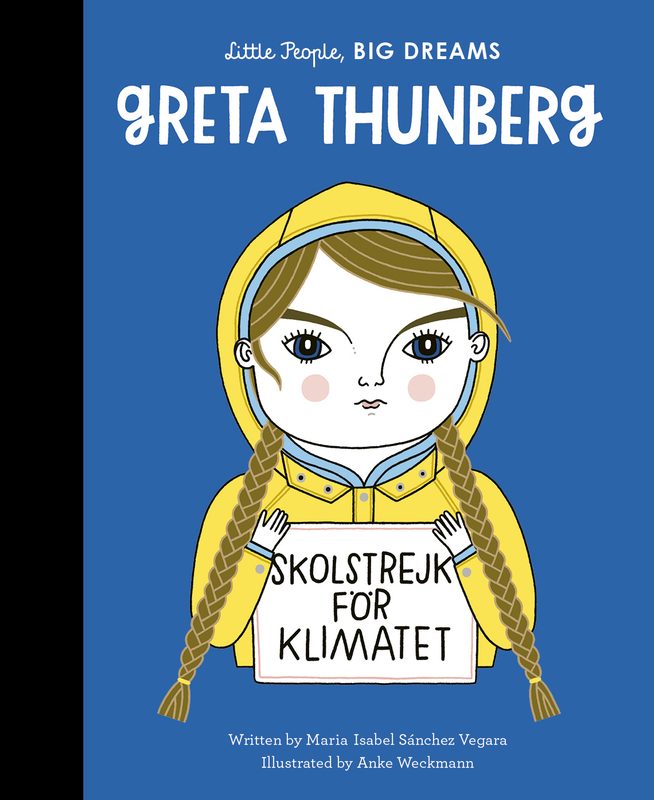
Swedish activist Greta Thunberg is one of the world’s best-known climate change campaigners. She has been credited with raising public awareness, especially amongst young people, and is the founder of the youth-led Fridays for Future (FFF) movement. Greta originally came to attention in 2018, when, aged 15, she and other young activists sat in front of the Swedish parliament every school day for three weeks, to protest against the lack of action on the climate crisis. She posted their protests on Instagram and Twitter, and it soon went viral. Just over a year later, in September 2019, millions of protesters marched in climate strikes in more than 163 countries, with protests held on all seven continents.
Greta was born in Stockholm in 2003. Her mother, Malena Ernman, is an opera singer, and her father, Svante Thunberg, is an actor. Greta first learned about climate change at the age of eight. After the success of the first ‘School Strike for Climate’, she took a year out of school to concentrate on activism.
She became famous for her impassioned speeches to world leaders, and sailed by yacht across the Atlantic to address a UN climate action summit in New York. Greta also gave speeches at the World Economic Forum in Switzerland, and at the European Parliament as well as in front of the legislatures of Italy, France, the UK, and the United States.
Greta’s UN speech, at which she told world leaders, ‘We are in the beginning of a mass extinction and all you can talk about is money and fairy tales of eternal economic growth – how dare you!’
Greta was nominated for the Nobel Peace Prize every year between 2019 and 2023, and became the youngest-ever Time Person of the Year in 2019. In the same year, she won the Right Livelihood Award (known as the Alternative Nobel Prize) and Amnesty International’s Ambassador of Conscience Award, and was listed by Forbes as one of the world’s 100 most powerful women.
Greta’s books include No One Is Too Small to Make a Difference (2019), a collection of her speeches, and The Climate Book: The Facts and the Solutions (2023), and a documentary, I Am Greta, was released in 2020.
What Can Children Learn from Greta Thunberg?
That one person can make a difference. When she first decided to protest outside the Swedish parliament ahead of an election, Greta was alone. But within days, she’d been joined by crowds of other ‘striking’ teenagers, and her message has travelled around the world.
In addition to her environmental work, Greta has helped raise awareness about Autism. She’s acknowledged the challenges of being neurodivergent , but has also highlighted its advantages, tweeting, ‘I’m sometimes a bit different from the norm. And – given the right circumstances – being different is a superpower.’
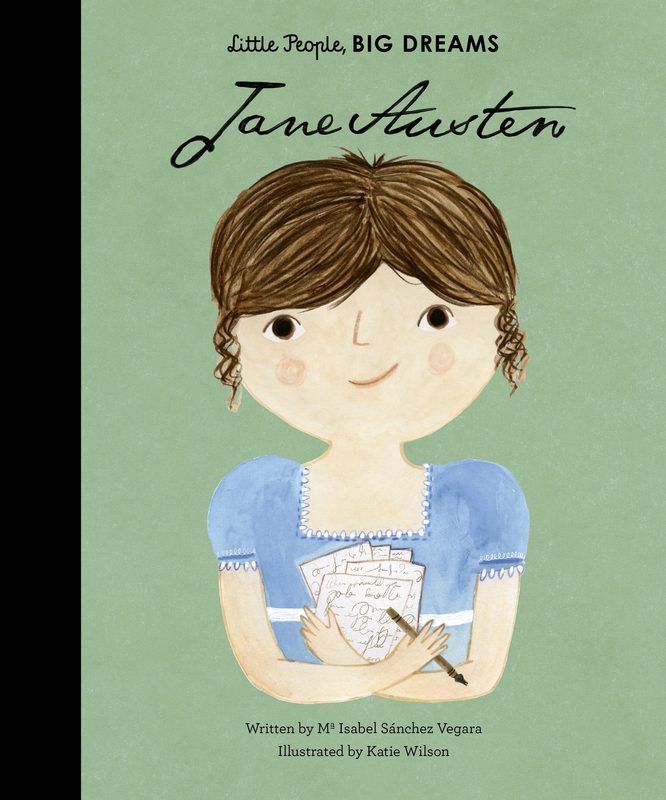
Jane Austen
Jane Austen (1775–1817) is primarily known for her six novels, including Pride and Prejudice, Sense and Sensibility and Emma, which have inspired countless films, TV series, and other authors’ books. These romantic fictions both explore and critique the British landed gentry at the turn of the 19th Century and feature a number of memorable, brilliantly-drawn female characters.
The latest adaptation of Pride and Prejudice.
Jane, the seventh of eight children, was born in 1775 to Rev. George and Cassandra Austen; her family relied on farming, with sheep, dairy cows and corn, for their income, alongside the school for boys that they ran. George Austen had an enormous library of over 500 volumes, and –unusually for the time – he encouraged his daughters to read.
Jane read Greek and Roman classics, history, poetry and philosophy, alongside contemporary novels. She also attended several boarding schools, including the Abbey School at Reading. Here, she was taught French, history, needlework, drawing, music and dancing.
Jane started writing from the age of eleven, and by age of 23, she had already finished early drafts of Northanger Abbey, Sense and Sensibility, and Pride and Prejudice. Jane sold the first book that she wrote, Northanger Abbey, to a publisher in 1799, although it wasn’t published until after Jane’s death in 1817.
Sense and Sensibility was published in 1811, followed by Pride and Prejudice, Mansfield Park and Emma over the next four years. Yet Jane Austen’s name wasn’t revealed. Instead, she was referred to only as ‘A Lady’ – which remained the case until after her death.
What Can Children Learn from Jane Austen?
Not to judge a book by its cover! Pride and Prejudice teaches children that people (and situations) are often not what they first appear to be, encouraging empathy and critical thinking, before judging others.
Austen also showed that women, including the heroines in books, don’t have to fit the expected female mould and be likeable. She painted a range of characters; while Elizabeth Bennet, the feisty heroine of Pride and Prejudice, is ‘as delightful a creature as ever appeared in print’, Emma Woodhouse, the star of Emma, is a woman ‘whom no-one but myself will much like.’
Iseult Gillespie explores Austen’s sly societal satire and unique tongue-in-cheek humour.
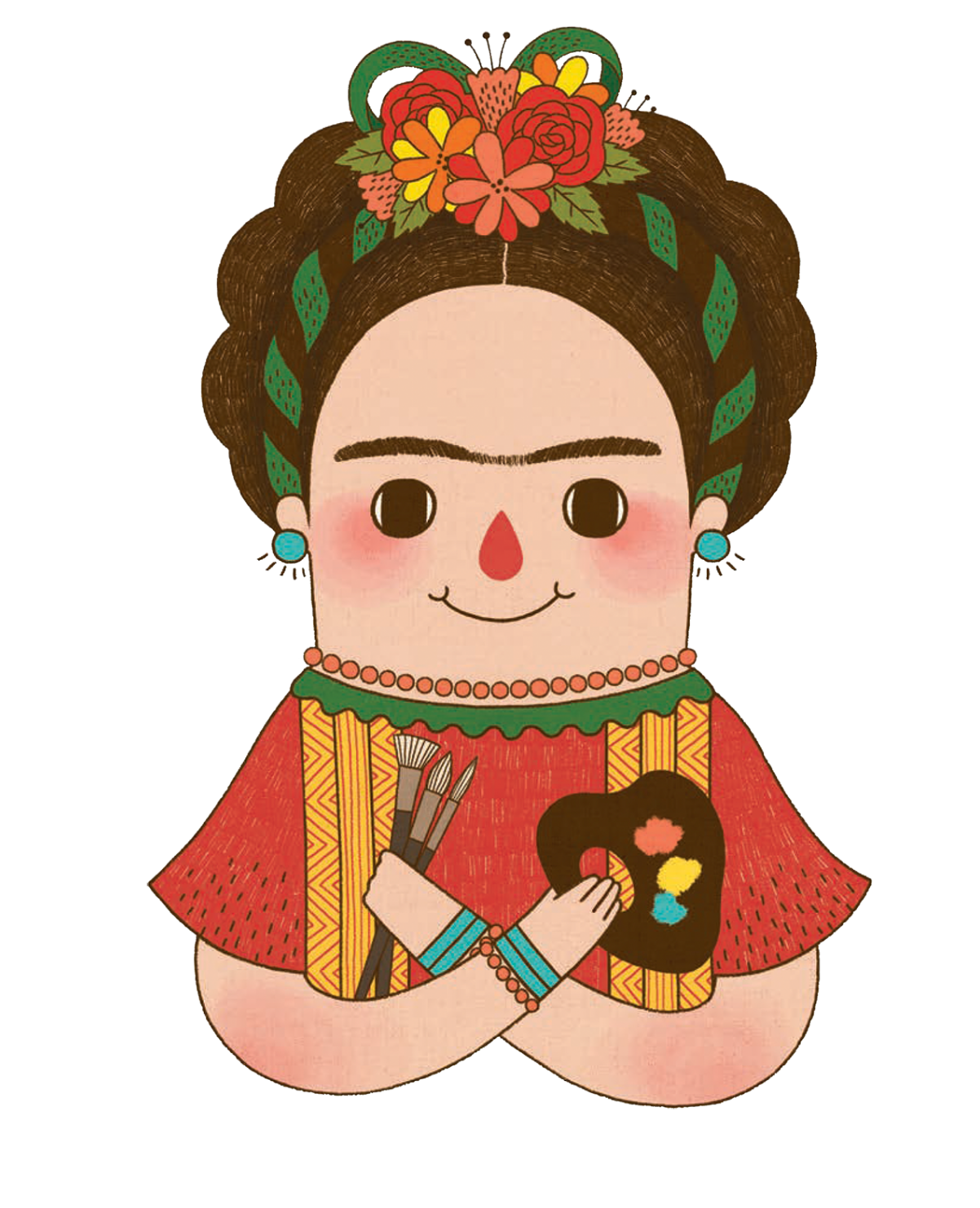
Frida Kahlo
Frida Kahlo (1907-1954) was a famous Mexican self-taught artist, who is best known for her bold, colourful self-portraits and her deep love of Mexican culture.
When Frida was just eighteen, a tram collided with the bus she was riding, piercing her pelvis with an iron handrail. She also broke her spinal column, collarbone, ribs, pelvis, right leg in eleven places, and dislocated her shoulder.
Although Frida did eventually recover, she had to have 35 operations over her life to help with her spinal injuries, and she lived with chronic pain.
The scene from Frida, starring Salma Hayek, depicting the bus crash that changed the artist’s life.
However, it was this accident that sparked her painting career. When she was confined to her bed for over eight months recovering from the crash, her mother bought her a special easel. She set up a mirror above her, and Frida began painting the first of her 55 self-portraits.
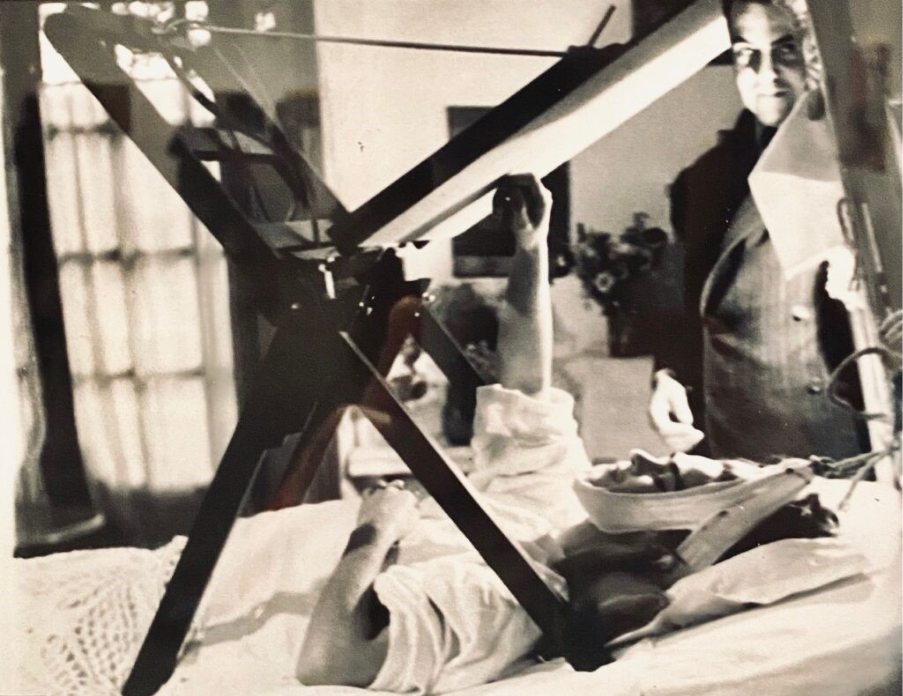
Frida painting in bed, anonymous photographer, 1940. ©
Kahlo said, ‘I paint myself because I am so often alone and because I am the subject I know best.’ Her raw, emotional self-portraits show both the physical and psychological wounds from her life and accident, exploring themes of pain, disability, injury and fragility.
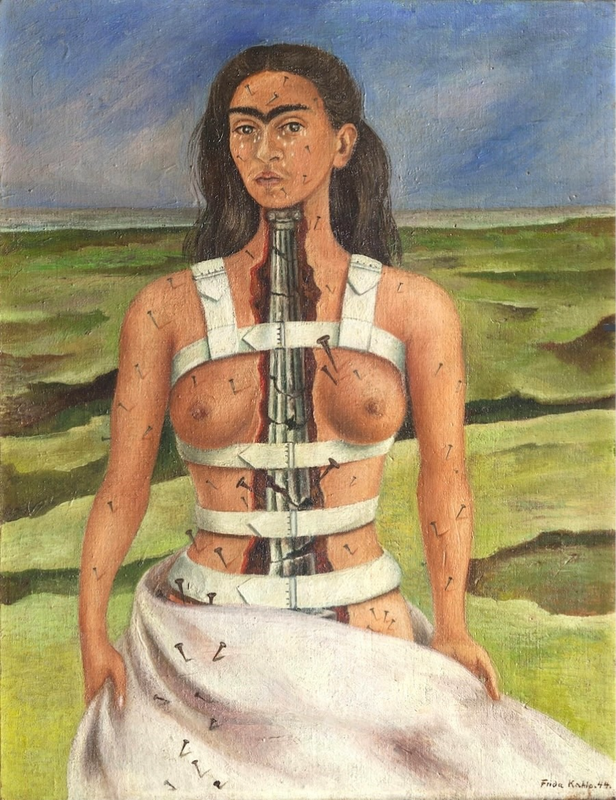
The Broken Column, 1944
While Frida’s life was cut tragically short from a pulmonary embolism at the age of just 47, appreciation for her art grew in the 1970s, as did its value. Frida Kahlo’s most expensive painting, El sueño (La cama) (The Dream/The Bed) sold at Sotheby’s in 2025 for an astonishing $54.7 million. Painted in 1940, it is a surrealist self-portrait showing the artist asleep in a floating canopy bed beneath a skeleton wrapped in dynamite. This sale broke the auction record for any female artist, and set the all-time record for modern Latin American art.
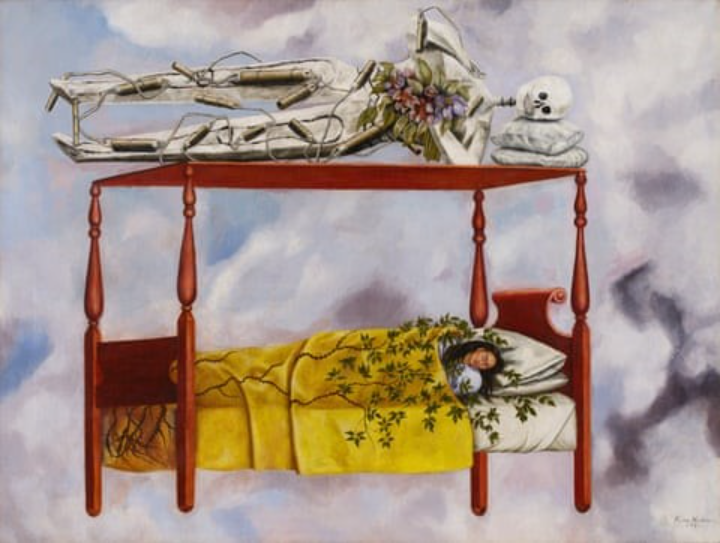
Photograph courtesy Sotheby’s
Frida is also a feminist and LGBTQI icon as she was openly bisexual, and explored female sexuality, desire, and intimacy in her paintings, such as Two Nudes in a Forest (1939). She also refused to conform to the accepted beauty standards of the time, showcasing her unibrow and moustache in person and through her art, and challenged traditional femininity by often wearing men’s three-piece suits and ties, for example in her 1940 Self-Portrait with Cropped Hair.
Plus, her fierce pride in her roots means that she is still honoured by the Mexican people. Frida helped to popularise Día de los Muertos motifs like calaveras (skulls or skeletons) and papier-mâché Judas effigies, and the country’s annual Day of the Dead often feature ofrendas (temporary altars), art, and cultural events that celebrate her legacy alongside the Mexican tradition of remembering loved ones.
Why does Frida Kahlo continue to move millions around the world?
What Can Children Learn From Frida Kahlo?
Even though Frida had polio as a child and then suffered a life-altering injury as a teenager that left her in chronic pain, she never gave up. Instead, she channelled this pain into art showing children that you can endure and achieve things, even when facing hard times.
Frida is also a role model for being proud of who you are and where you come from. She celebrated her Mexican heritage and identity through traditional clothing and her bold style, most notably by often wearing a colourful, floral Tehuana dress, which had become an emblem of national and cultural identity during the Mexican Revolution from 1910-1920.
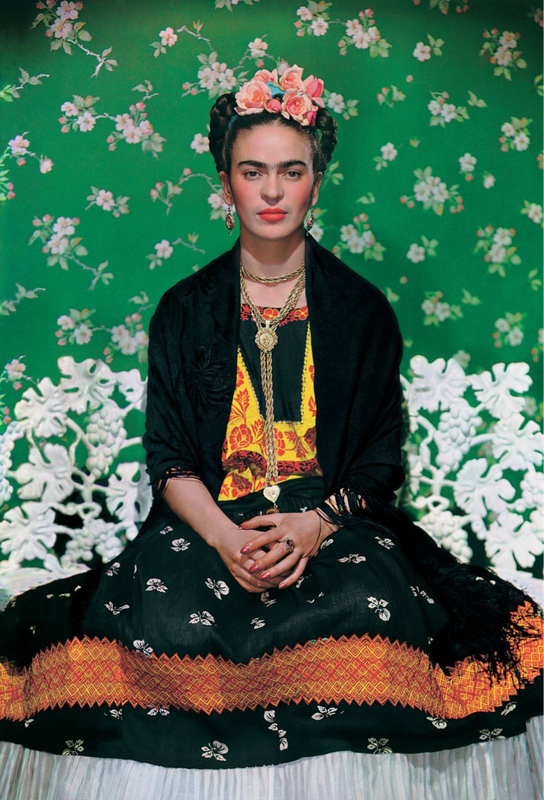
Frida Kahlo on a Bench (1938) by Nickolas Muray Courtesy Nickolas Muray Photo Archives/The Jacques and Natasha Gelman Collection of 20th Century Mexican Art and The Verge
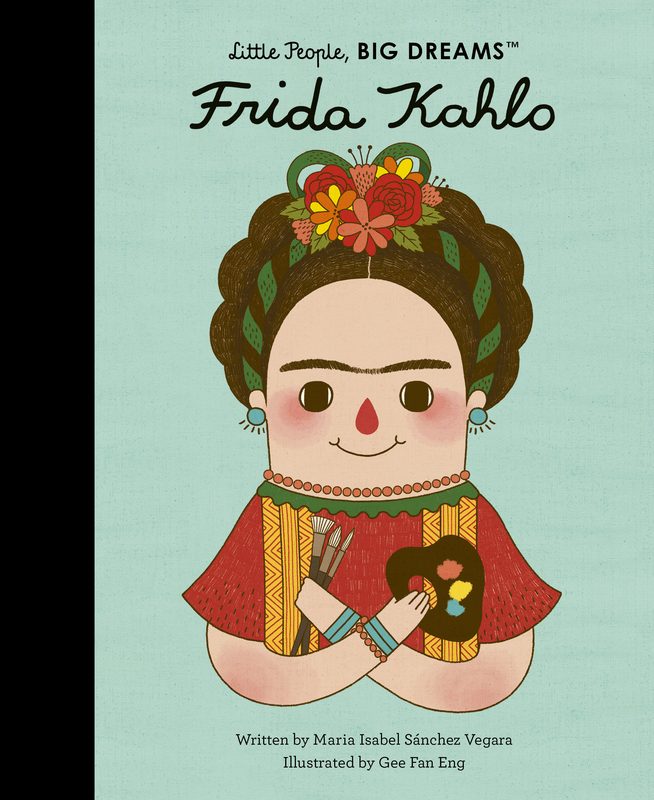
Malala Yousafzai
Malala Yousafzai is a global activist for girls’ education and – at aged just seventeen – became the youngest-ever Nobel Peace Prize laureate.
Malala was born in 1997, in the Swat Valley, Pakistan. Her father, Ziauddin Yousafzai, ran a local girls’ school. School was a big part of Malala’s family life; her father told stories about how Malala would toddle into classes even before she could talk, acting as if she were the teacher!
In 2007, when Malala was ten years old, the Taliban began to control the Swat Valley. Girls were banned from attending school, and cultural activities like dancing and watching TV were prohibited. Terror attacks were widespread, and by the end of 2008, the Taliban had destroyed some 400 schools.
In 2009, aged eleven, Malala began writing an anonymous diary for BBC Urdu under the pseudonym Gul Makai, describing life under Taliban rule. Malala and her father campaigned openly for girls’ schooling, earning Pakistan’s National Youth Peace Prize in 2011, and a nomination for the International Children’s Peace Prize the same year.
However, there was opposition to her campaigns and on the morning of 9th October, 2012, fifteen-year-old Malala was shot by the Taliban, while on a bus with her friends.
Malala was seriously injured, and was flown to an intensive care unit in Birmingham, England. Her incredible recovery and return to school, in the UK, resulted in a global outpouring of support. On her sixteenth birthday, Malala visited New York and spoke at the United Nations. Later that year, she published her first book, an autobiography, I Am Malala: The Girl Who Stood Up for Education and Was Shot by the Taliban.
Malala’s UN speech
In 2013, the European Parliament awarded Malala the prestigious Sakharov Prize for Freedom of Thought. Malala has set up a foundation, the Malala Fund, which aims to empower girls to achieve their potential, and become confident, strong leaders around the globe.
Malala graduated from Oxford University in 2020 with a degree in Philosophy, Politics, and Economics, and continues her advocacy worldwide.
What Can Children Learn From Malala Yousafzai?
Malala shows that you’re never too young to bring about change. She began her activism for girls’ rights when she was only eleven years old, proving that young people can make a huge difference.
Malala also embodies the power of education, words and using your voice. In her children’s book Malala’s Magic Pencil, she explains that words, ideas, and education are her tools to redraw a better, peaceful world. She declared that, ‘one child, one teacher, one book and one pen can change the world,’ framing books and pens as the most powerful, yet peaceful, weapons against extremism, which can be used by anyone.
Malala shares her thoughts on how to keep fighting for the future you want, even when hope feels lost.
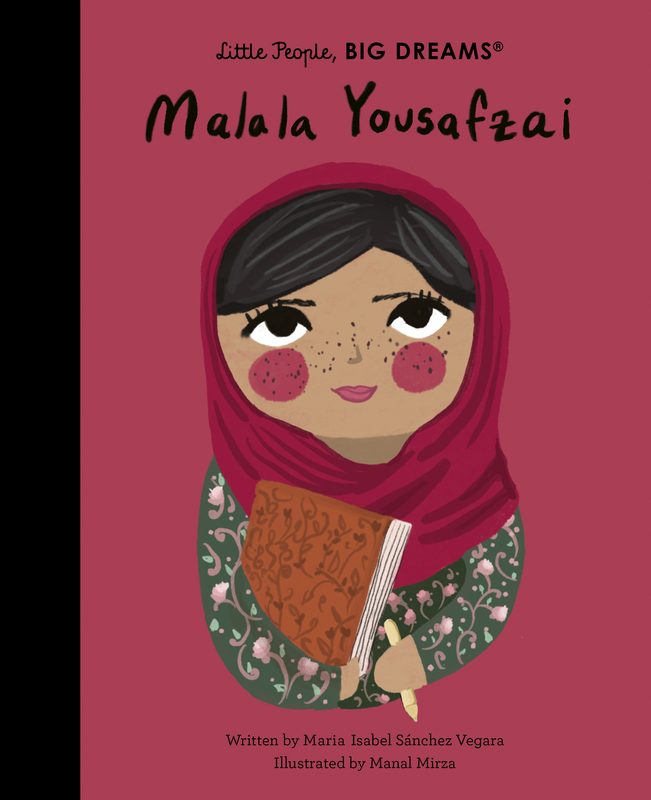
Dolly Parton
Dolly Parton (1946 – 2026) was an American country music singer-songwriter, actress, businesswoman, and philanthropist.
The fourth of twelve children born to Robert Lee Parton and Avie Lee Parton, Dolly was raised in deep poverty in the Great Smoky Mountains, where music and Appalachian folk traditions shaped her early life. She learned the guitar, performed on local radio and TV in Knoxville, and made her debut at the home of country music, the Grand Ole Opry at just thirteen.
Dolly wrote and recorded over 3,000 songs, including classic hits like ‘Jolene’ (1973), ‘9 to 5’ (1980), and ‘Here You Come Again’ (1977); fans love that her songs tell beautiful stories with so much emotion and honesty. She also wrote the song ‘I Will Always Love You’ (1974) which was covered by Whitney Houston for the film The Bodyguard, and went on to spend a record-breaking fourteen consecutive weeks at No. 1 on the US Billboard Hot 100, selling over twenty million copies worldwide, becoming one of the best-selling physical singles of all time.
Whitney Houston’s record-breaking cover of ‘I Will Always Love You’
The country star won eleven Grammy Awards (out of 55 nominations), including a Lifetime Achievement Award, and was inducted into both the Country Music Hall of Fame (1999) and the Rock and Roll Hall of Fame (2022). Despite being unable to read sheet music, Dolly played several instruments including the banjo, harp, piano, and saxophone.
She also had a successful Hollywood career, appearing in box-office hits including 9 to 5 (a film about women being discriminated against in the workplace), Steel Magnolias and The Best Little Whorehouse in Texas.
Dolly’s best moments from Steel Magnolias
Listed by Forbes as one of America’s richest self-made women, Dolly was a successful and shrewd businesswoman, and was also always first with a self-deprecating but smart joke, saying of her business acumen, ‘I look like a woman, but I think like a man. I’ve done business with men who think I’m as silly as I look. By the time they realise I’m not, I’ve got the money and gone.’ She not only owned her own record label, Dolly Records, but also expanded into businesses apart from the music industry. She co-owned The Dollywood Company, which included a beloved theme park and a resort.
Dolly’s Imagination Library inspiration and aim: Dream More, Learn More, Care More and Be More
Her philanthropy became as equally celebrated as her music. Inspired by her father, who couldn’t read or write, Dolly launched the Imagination Library, which gives away millions of free books to children every year, while The Dollywood Foundation has funded scholarships, hospitals and donated to flood and wildfire victims. In 2020, during the COVID-19 pandemic, Dolly donated $1 million, which helped to fund the Moderna vaccine.
What Can Children Learn From Dolly Parton
Dolly said she hoped to be remembered for her songwriting and as somebody who took her work – but not herself – seriously. She offered advice to, ‘Never ignore your roots, your home, or your hair.’ Dolly spent her life finding ways to share her success and wealth with others, and didn’t measure success by what she accomplished or accumulated, but by what she could do for other people.
Whether it was giving children books, supporting her community, or quietly helping people in need, she used what she had earned to improve the world. Dolly’s philosophy of simple, effective kindness can be summed up by her saying, ‘If I see someone without a smile, I give them mine.’
She also stressed the importance of appreciating the ordinary, everyday things: ‘I make a point to appreciate all the little things in my life. I go out and smell the air after a good, hard rain. These small actions help remind me that there are so many great, glorious pieces of good in the world’ – a valuable lesson for everyone.
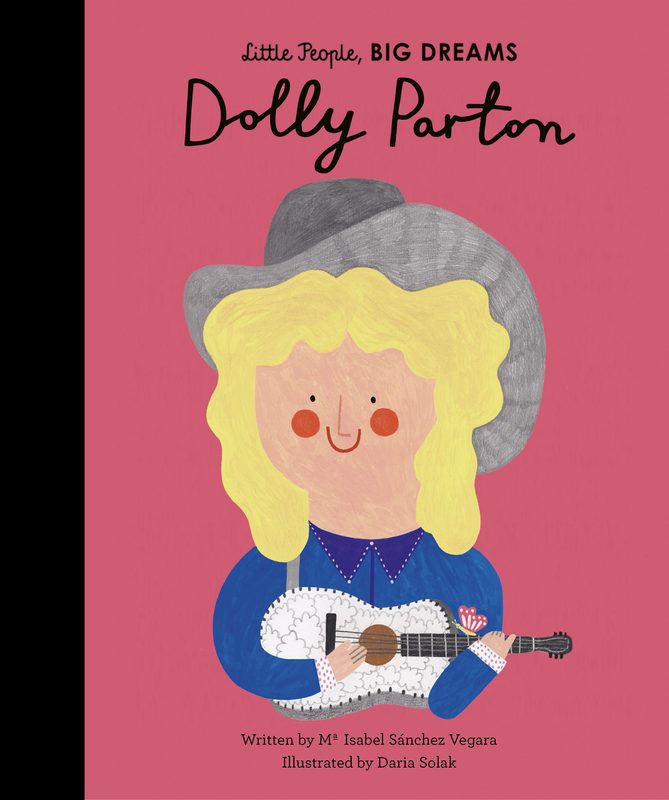
Hedy Lamarr
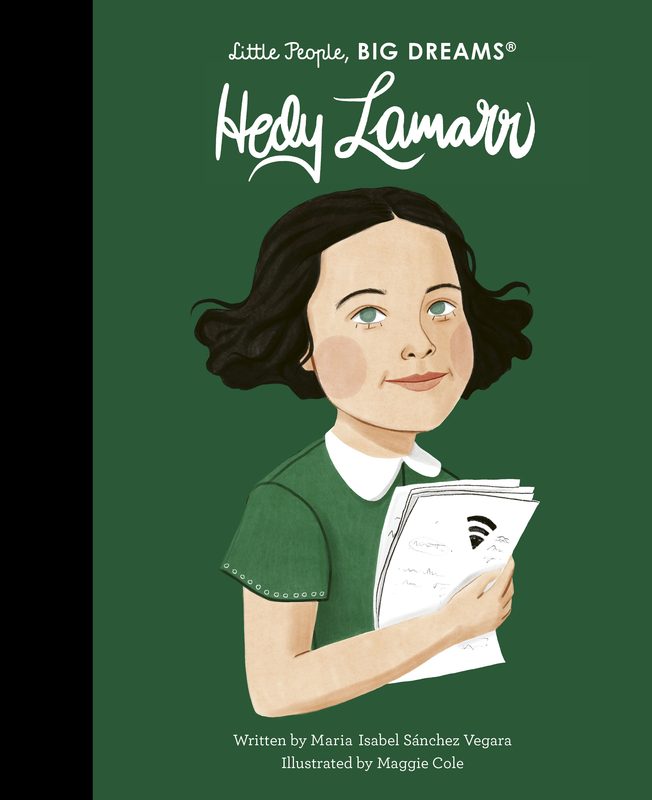
Hedy Lamarr (1914-2000) was an Austrian-American actress during Hollywood’s Golden Age and a skilled inventor who pioneered the technology that would one day be crucial for today’s WiFi, GPS, and Bluetooth communication systems.
Hedy was born Hedwig Eva Maria Kiesler in 1914, in Vienna, Austria. The only child of Ukrainian and Hungarian Jewish parents, she grew up in an affluent household in Vienna. Her father was a curious man, who would take Hedy for walks and discuss the inner-workings of different machines, like the printing press or street cars. These conversations inspired her, and, at only five years of age, she took apart and reassembled her music box to understand how the machine operated. Hedy’s introduction to the arts, however, came from her mother, who was a concert pianist.
Hedy was discovered by a film director after enrolling at a drama school. She moved to the United States and signed a contract with Metro-Goldwyn-Mayer. Her first film, Algiers, was a box-office hit and she was dubbed ‘the most beautiful woman in the world.’
Hedy’s movie career highlights
Hedy founded her own production company, producing and starring in films, but she also had an entirely separate life, as an inventor. In 1942, she and her friend, composer George Antheil, received a patent for an idea: a new communication system for guiding torpedoes to their targets in war. The system involved the use of ‘frequency hopping’ amongst radio waves, with both transmitter and receiver hopping to new frequencies together. Doing so prevented the interception of the radio waves, thereby allowing the torpedo to find its intended target. Originally designed to defeat the Nazis, the system became an important step in the development of technology to maintain the security of both military communications and cellular phones.
In her later years, the Electronic Frontier Foundation jointly awarded Lamarr and Antheil the Pioneer Award in 1997. Hedy also became the first woman to receive the Invention Convention’s Bulbie Gnass Spirit of Achievement Award. Although she died in 2000, Hedy was inducted into the National Inventors Hall of Fame for the development of her frequency hopping technology in 2014. The spread-spectrum and frequency-hopping principles Hedy helped pioneer laid the technical groundwork for WiFi, Bluetooth, GPS, and secure mobile communications, leading to her being dubbed ‘the mother of WiFi’.
What Can Children Learn From Hedy Lamarr?
Hedy is a great example of how to break through stereotypes. While she was partly valued for her looks, Hedy declared, ‘Any girl can be glamorous; all you have to do is stand still and look stupid.’ Instead, she defied expectations and made major contributions to science.
Find out more about Hedy Lamarr’s extraordinary mind and inventions.
Despite having no formal training, Hedy loved to take things apart and build solutions. She invented everything from traffic signals, to fizzy drink tablets and airplane wing designs inspired by birds and fish.
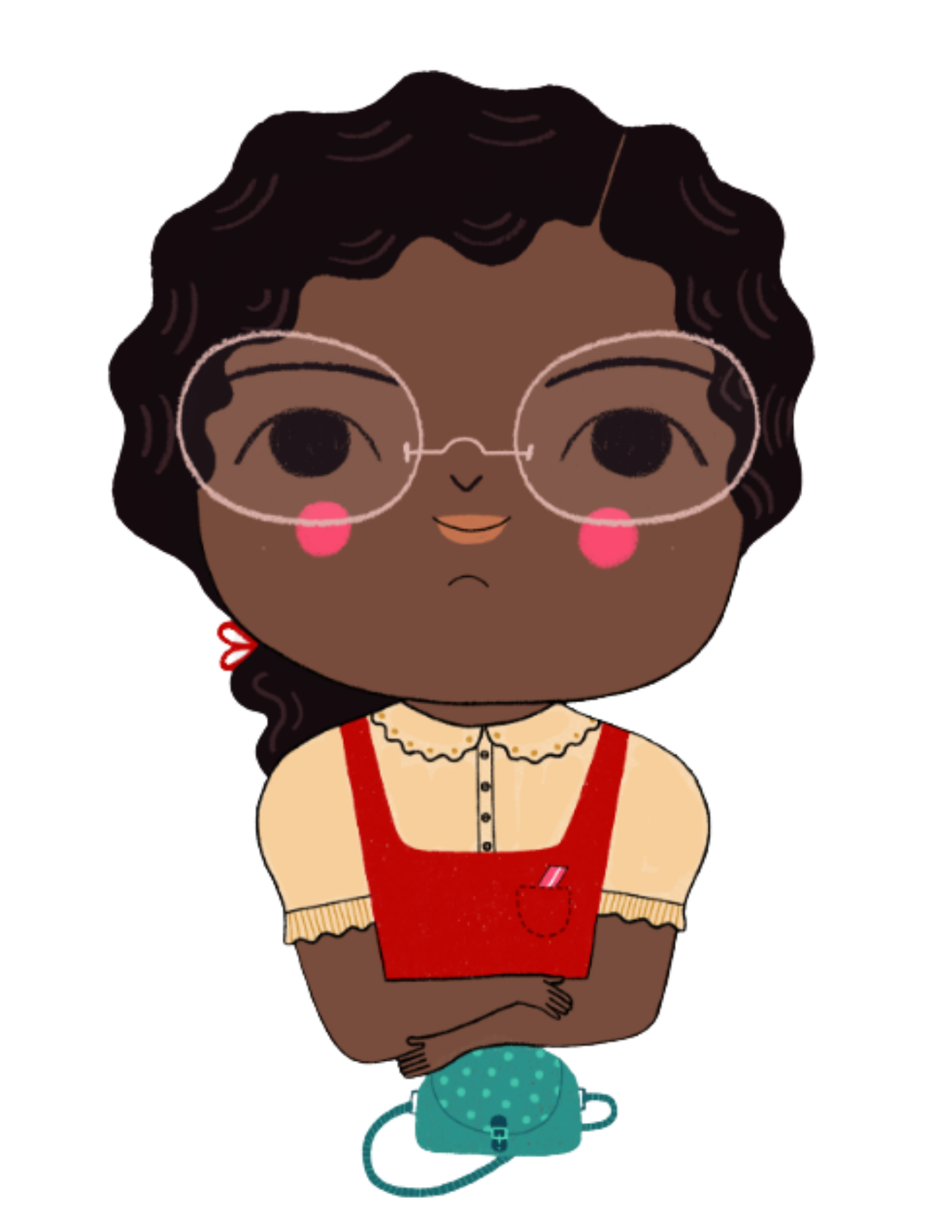
Rosa Parks
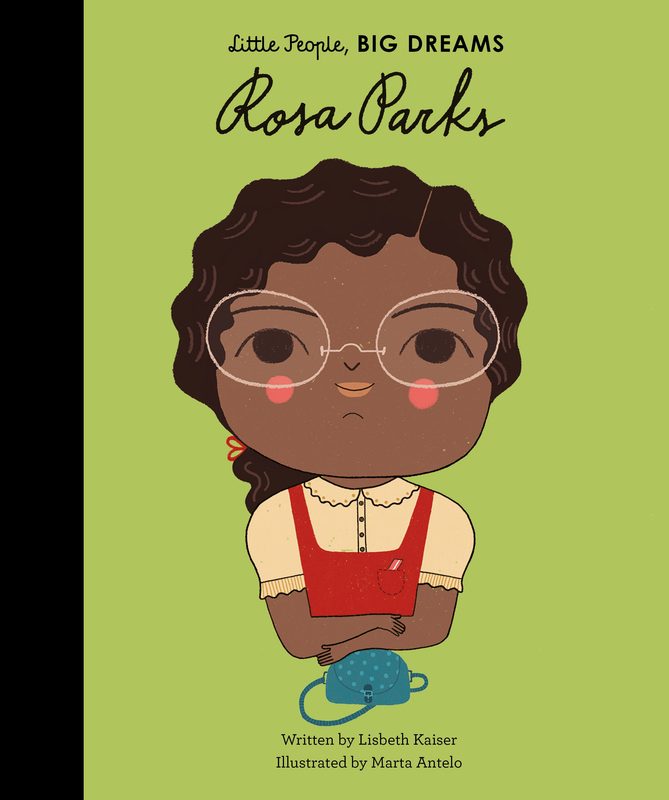
Rosa Louise McCauley Parks (1913-2005) was an American civil rights activist, sometimes known as the ‘mother of the Civil Rights movement’.
When Rosa was growing up, schools, water fountains, restaurants and even pavements were divided by strict segregation laws known as ‘Jim Crow’ laws for white and Black Americans. The US Supreme Court legalised these practices in the 1896 case Plessy v. Ferguson, claiming separate facilities were constitutional if they were equal. However, the reality was that facilities for Black Americans were poorly funded and often inferior. Southern states also used poll taxes, literacy tests, and property requirements to block African Americans from voting.
On December 1, 1955, Rosa sat in the ‘coloured’ section of the bus, in a middle row. The front was reserved for white passengers and the back for Black passengers. However, if the ‘white section’ filled up, Black passengers were expected to give up their seats.
However, when the bus driver told her and three others to give up their seats for a white man, Rosa quietly refused. The driver threatened her, but Rosa simply said, ‘No.’ She was risking arrest, humiliation – even violence – but she was determined to stand up for her rights.
Her arrest made headlines and inspired action: Black residents decided to avoid riding the city buses until the system changed. This became known as the Montgomery Bus Boycott. For over a year, Black residents refused to back down, creating a massive financial blow to the bus system,given they comprised 70% of its customers. Finally, the US Supreme Court ruled that segregation on public buses was unconstitutional. One woman’s bravery sparked a movement that changed history.
Learn more about Rosa Parks’s life.
What Can Children Learn From Rosa Parks?
When it comes to inspirational women for kids, Rosa Parks shows that one person’s voice can make a huge difference, and that quiet strength and determination can be as courageous as loud speeches or grand gestures.
The Montgomery Bus Boycott demonstrated the potential for nonviolent mass protest to successfully challenge racial segregation.
Little People BIG DREAMS
Discover more about all ten of these inspirational women in their Little People BIG DREAMS books:
You can also learn about Ten Inspirational Black People Who Changed the World.
RELATED PRODUCTS

Taylor Swift
Illustrated by Borghild Fallberg
Inspire kids with the glittering story of pop superstar Taylor Swift! This talented singer–songwriter started as a little country girl …

Hedy Lamarr
Illustrated by Maggie Cole
From the critically acclaimed Little People, BIG DREAMS series, discover the life of Hedy Lamarr, the actress and inventor whose …

Malala Yousafzai
Illustrated by Manal Mirza
Meet Malala Yousafzai, the incredible activist for girls’ education and the youngest Nobel Prize laureate. When Malala was born in …

Marie Curie
Illustrated by Frau Isa
Meet Marie Curie, the Nobel Prize–winning scientist. When Marie was young, she was unable to go to college because she …

Frida Kahlo
Illustrated by Gee Fan Eng
Meet Frida Kahlo, the world-renowned painter. When Frida was a teenager, a terrible road accident changed her life forever. Unable …

Coco Chanel
Illustrated by Ana Albero
Meet Coco Chanel, international style icon. Following the death of her mother, Coco spent her early life in an orphanage, …

Dolly Parton
Illustrated by Daria Solak
Meet Dolly Parton, the singer-songwriter and businesswoman. Little Dolly grew up in Tennessee in a family “as poor as dirt.” …

Jane Austen
Illustrated by Katie Wilson
Meet Jane Austen, the great British novelist. Little Jane was born into a large family with seven brothers and sisters. …

Rosa Parks
Illustrated by Marta Antelo
Meet Rosa Parks, the "Mother of the Freedom Movement." Rosa Parks grew up in Alabama, where she learned to stand …

Greta Thunberg
Illustrated by Anke Weckmann
Meet Greta Thunberg, the environmental activist. When young Greta learned of the climate crisis, she stopped talking. She couldn't understand …
Quarto Kids on social media (for grown-ups)